
.png)
Fluoride
From a holistic and biological dentistry perspective, fluoride is not considered an essential nutrient for human health, nor does it biologically strengthen tooth enamel. Fluoride functions by altering surface chemistry of enamel and inhibiting bacterial metabolic activity, rather than supporting natural enamel formation, remineralization, or cellular repair.
Systemic fluoride exposure has been the subject of increasing scientific scrutiny. In 2024, the U.S. National Toxicology Program (NTP) released a comprehensive toxicology review examining fluoride exposure and neurodevelopment. The report concluded, with moderate confidence, that higher fluoride exposure is associated with lower IQ scores in children, identifying fluoride as a developmental neurotoxicant at sufficient exposure levels.
Fluoride is known to cross the blood–brain barrier and placental barrier, allowing exposure during critical periods of brain development. The NTP analysis evaluated a large body of epidemiological data and reinforced concerns that systemic fluoride exposure may have neurological and endocrine implications, particularly during pregnancy and early childhood.
From a holistic dentistry standpoint, oral health is best supported by:
Preserving natural enamel structure, supporting salivary flow and mineral balance, reducing chronic inflammation and bacterial dysbiosis, addressing dietary, behavioral, and systemic contributors to decay risk.
For these reasons, many patients choose to omit fluoride and instead focus on preventive strategies that support the body’s innate ability to maintain oral health without reliance on neurotoxic substances.
At Spring Smiles, our role is to provide evidence-informed education so patients can make choices aligned with both oral health and overall wellbeing, particularly when considering long-term and developmental health impacts.
You can read the full report here: ⬇️
https://ntp.niehs.nih.gov/sites/default/files/2024-08/fluoride_final_508.pdf

Root Canal therapy
At Spring Smiles, our approach to dentistry is guided by an understanding that the mouth is biologically connected to the rest of the body. For this reason, Dr. Duncan does not perform root canal therapy in our office.
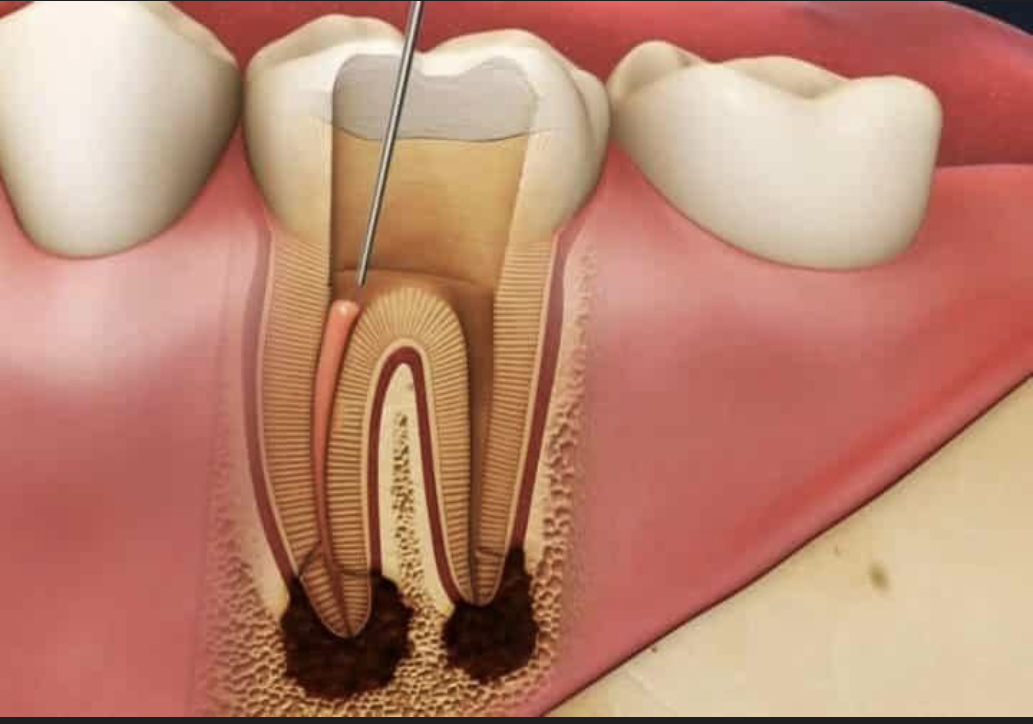
Root canal treatment involves removing the nerve and vascular tissue from inside a tooth and sealing the remaining structure. While this procedure is commonly used in conventional dentistry, scientific literature has shown that root-canal–treated teeth may continue to harbor residual bacteria and bacterial byproducts within microscopic dentinal tubules, even after thorough cleaning and sealing. Due to the complex anatomy of teeth, complete sterilization is not always achievable.
Research has examined how these residual microorganisms and their endotoxins may contribute to chronic inflammatory burden and immune system activation in susceptible individuals. Studies have also explored associations between endodontically treated teeth and broader systemic health considerations. While research in this area is ongoing, many patients prefer to avoid procedures that leave non-vital tissue within the body.
In addition, teeth that have undergone root canal therapy are structurally weakened and often require extensive restoration. Over time, this can increase the risk of fracture, reinfection, retreatment, or eventual extraction.
For these reasons, Dr. Duncan believes patients deserve full transparency and the opportunity to consider biologically aligned alternatives. When a tooth is compromised, Dr. Duncan takes time to review all appropriate options based on clinical findings and patient preferences. These may include:
Conservative restorative care, when damage is limited and the tooth can be predictably stabilized
Extraction, when a tooth cannot be restored in a way that supports long-term oral and systemic health
Metal-free replacement options, such as bridges or other restorations, when a tooth is removed
Referral to a trusted endodontic specialist, for patients who choose to pursue root canal therapy elsewhere
Each option is discussed thoroughly so patients can make informed decisions aligned with their health goals and values.
At Spring Smiles, our role is to provide education, transparency, and respectful guidance, not one-size-fits-all recommendations. Dr. Duncan works closely with patients to evaluate risks and benefits and to support decisions that align with both oral health and overall wellbeing.
If you have questions about root canal therapy or would like to discuss alternative treatment options, we welcome the opportunity to review your situation and help you understand the paths available to you.
References:
For more information, see Root Cause by Frazer Bailey (Director) on Netflix or Amazon movies.
Siqueira JF Jr, et al. Microbiome in the apical root canal system of teeth with post-treatment apical periodontitis. PLoS One. 2016;11(9):e0162887.
Implants
Non-metal dental implants offer an alternative to traditional titanium implants for patients seeking a biocompatible, metal-free option for tooth replacement. These implants are typically made from medical-grade ceramic materials, such as zirconia, and are designed to support both function and long-term oral health.
One of the primary benefits of non-metal implants is biocompatibility. Ceramic materials are inert and non-conductive, which may be preferable for patients with metal sensitivities, inflammatory concerns, or a desire to minimize long-term metal exposure within the body. Non-metal implants also avoid the potential for corrosion or ion release associated with some metal implants.
From a periodontal perspective, ceramic implants have been shown to support healthy soft-tissue response, with reduced plaque affinity compared to metal surfaces in some studies. This may contribute to improved gum health and a lower risk of peri-implant inflammation when combined with proper hygiene and maintenance.
Non-metal implants also offer esthetic advantages, particularly in areas where the gum tissue is thin. Because ceramic implants are tooth-colored, they eliminate the risk of dark metal shadows at the gumline and can create a more natural appearance over time.
At Spring Smiles, implant recommendations are made thoughtfully and on an individual basis. When implant therapy is considered, Dr. Duncan evaluates overall oral health, bone quality, bite function, and patient goals to determine whether a non-metal implant option is appropriate. The goal is always to support stable, functional tooth replacement in a way that aligns with long-term oral and whole-body wellness.

.png)